

Thinking about preparing for a tough competitive exam like the UPSC, JEE, or any government job test? You might believe expensive coaching is essential for success. Think again! Millions of students prove every year that achieving a top rank is completely possible through smart, disciplined self-study. All it takes is the right plan and unwavering focus.
Step 1: Craft Your Personal Study Roadmap
The biggest difference between coached and self-studying candidates is the readymade structure. Since you’re building your own path, you must be meticulous.
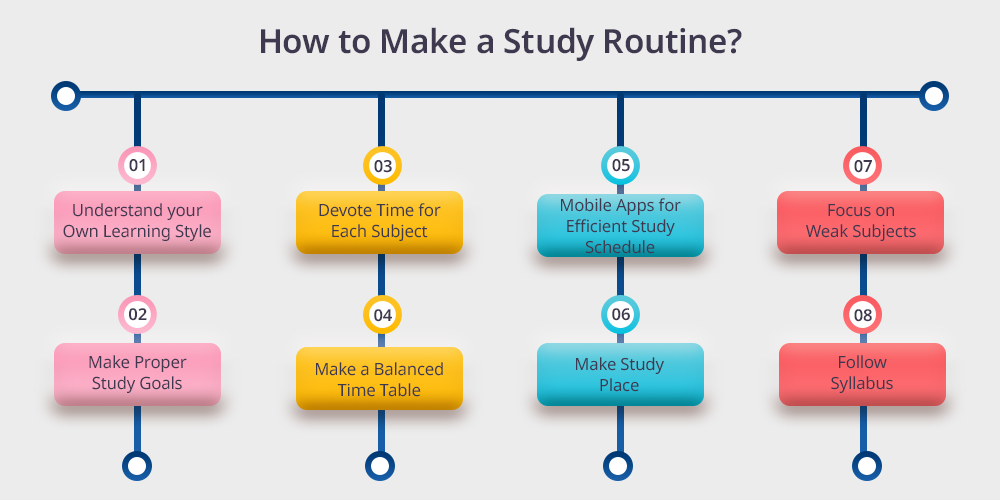
- Know the Terrain (Syllabus and Pattern): Before you crack open a single book, download the official syllabus and thoroughly understand the exam pattern. Pay attention to the weighting of different topics and the types of questions asked (MCQs, descriptive, etc.). This acts as your compass, preventing you from wasting time on irrelevant material.
- The Power of Previous Papers: Get your hands on at least the last five years of exam papers. Analyzing these gives you an invaluable sense of the exam setter’s mind. Which areas are always tested? What is the difficulty level? This helps you prioritize and focus your efforts effectively.
- Create a Realistic Schedule: Don’t just make a timetable; make one you can actually follow. Allocate time blocks for subjects based on their difficulty for you, not just their size. Remember to include short breaks and, most importantly, a solid amount of sleep—a tired mind can’t absorb information.
Step 2: Resource Selection and Management
You don’t need fifty books to study one subject. A few excellent, consistent resources will always beat a mountain of material.
- Choose Wisely, Stick Firmly: Select one or two high-quality books or online courses for each major subject. Avoid the common trap of “resource hopping,” where you jump from book to book, never finishing any of them. Consistency builds confidence.
- Digital Tools are Your Friends: Leverage the wealth of free and affordable online resources. YouTube channels, educational apps, and free mock tests are game-changers for self-learners. They offer diverse explanations and fresh perspectives that mimic a classroom environment.
- Effective Note-Making is Crucial: Since you won’t have a teacher providing summary notes, you must make your own. Don’t just highlight! Create concise, single-page cheat sheets for each chapter. Use flowcharts, diagrams, and flashcards. These customized notes are your secret weapon during last-minute revision.
Step 3: The Pillars of Self-Discipline
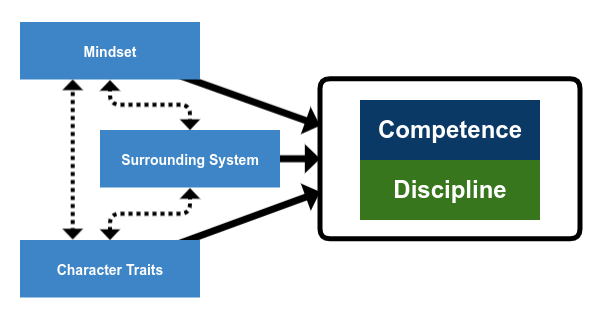
Succeeding without external pressure depends entirely on your self-motivation and accountability. This is where most self-studying aspirants stumble.
- Regular Self-Evaluation: Nobody is grading your weekly performance, so you must grade yourself! Commit to taking a full-length mock test every week or two weeks. Treat these tests like the real exam: stick to the time limit and the environment. This is the only way to track your true progress.
- Analyze Your Mistakes, Don’t Just Count Them: After every practice test, spend serious time analyzing why you got something wrong. Was it a conceptual error? A silly calculation mistake? Or simply poor time management? Addressing the root cause is the key to improving your score. Think of a mistake as a free lesson you paid for with your time.
- The Review Cycle: Spaced repetition is essential. Ensure your study routine dedicates specific time slots for revision. Go over old topics and notes regularly to move information from your short-term to your long-term memory. A topic is not truly “prepared” until it has been reviewed multiple times.
Step 4: Maintaining Motivation and Mental Health
Studying alone can be isolating. You need strategies to keep your mental edge sharp.

- Find an Accountability Partner (Optional): While you don’t need a coaching class, you might benefit from a friend or mentor who is also preparing. You can quiz each other, discuss tricky concepts, and generally hold each other responsible for meeting study goals.
- Build a Study Sanctuary: Designate a specific, quiet place in your home dedicated only to studying. Keep it clean, organized, and free from distractions (yes, that means putting your phone away!). A consistent environment signals to your brain that it’s time to focus.
- Celebrate Small Wins: The journey is long. Acknowledge and reward yourself for completing a tough chapter or sticking to your schedule for a whole week. This positive reinforcement fuels your motivation far better than constant self-criticism.
By taking charge of your preparation with discipline, strategy, and high-quality resources, you absolutely can clear any competitive exam. The journey requires grit, but the satisfaction of succeeding entirely on your own terms is unparalleled.
#FutureOfEducation #OnlineClasses #RemoteLearning #TechInEducation #LifelongLearning #SmartEducation #OnlineStudy #EdTechTrends #LearnFromHome #EducationRevolution#Carrerbook#Anslation
Leave a Reply